
Features of Ladle Refining Furnace
author: Alice
2024-10-31
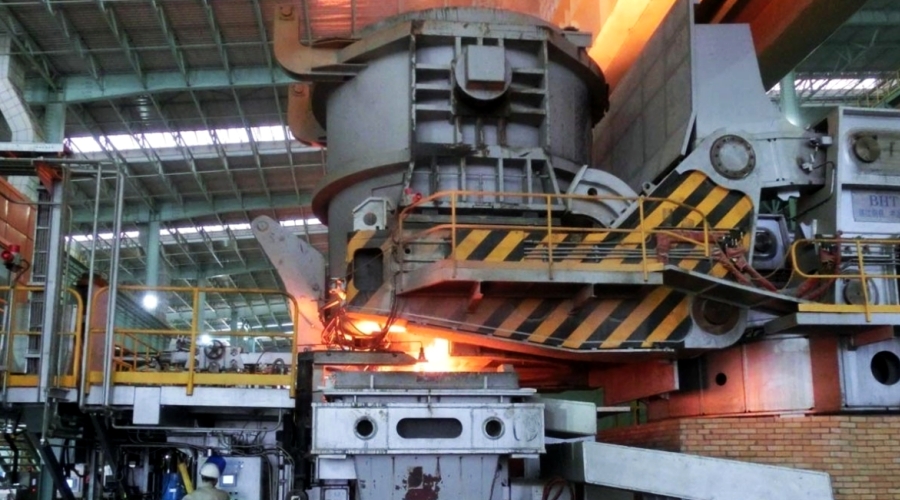
Ladle refining furnace is a smelting equipment used in the steel smelting industry to mainly refine molten steel.
Refining furnaces, also known as ladle furnace, is a secondary metallurgical furnace used in steel production. Its mainly used to refine and alloy molten steel to ensure that the final product meets the required quality standards.
Features of Ladle Refining Furnace
1) One of the main advantages of ladle refining furnaces is the ability to remove impurities from molten steel.
Impurities such as sulfur, phosphorus, and oxygen weaken the mechanical properties of steel and affect its performance. LRF use various refining techniques such as stirring and chemical reactions to eliminate these impurities, resulting in a purer final smelting product.
Impurities such as sulfur, phosphorus, and oxygen weaken the mechanical properties of steel and affect its performance. LRF use various refining techniques such as stirring and chemical reactions to eliminate these impurities, resulting in a purer final smelting product.
2) Refining furnaces can precisely control the composition of steel.
By adding alloying elements such as carbon, manganese, and silicon, steel manufacturers can achieve specific properties required for different applications. This flexibility is especially important for industries that have a high demand for steel with precise characteristics, such as automotive manufacturing where strength and durability are critical.
By adding alloying elements such as carbon, manganese, and silicon, steel manufacturers can achieve specific properties required for different applications. This flexibility is especially important for industries that have a high demand for steel with precise characteristics, such as automotive manufacturing where strength and durability are critical.
3) LF refining furnaces also play a vital role in reducing energy consumption in the steelmaking process.
By refining molten steel in a separate container, the furnace minimizes the need for overheating in the main furnace. This not only saves energy, but also reduces wear and tear on the main furnace, extending its service life and reducing maintenance costs.
By refining molten steel in a separate container, the furnace minimizes the need for overheating in the main furnace. This not only saves energy, but also reduces wear and tear on the main furnace, extending its service life and reducing maintenance costs.
4) LF refining furnace have enhanced safety features compared to traditional steelmaking technology.
With improved automation and control systems, operators can monitor and adjust the refining process from a safe distance. This reduces the risk of accidents and exposure to hazardous substances, ensuring a safer working environment for steel mill personnel.
Role of Ladle Refining Furnaces
- Improve molten steel quality
- Chemical composition of molten steel
- Molten steel insulation
- Improve molten steel properties
- Produce special steel
Ladle refining furnace have had a significant impact on the steel industry. Their ability to refine and alloy molten steel, remove impurities and control composition has changed the steelmaking process, resulting in higher quality steel products that meet the stringent requirements of various industries.
As the demand for high-quality steel continues to grow, furnaces such as ladle furnaces and ladle refining furnaces will undoubtedly remain an indispensable metal smelting equipment for the steelmaking industry.
Electric Arc Furnace Steelmaking Process
What Is An Submerged Arc Furnace
Related Article

Electric arc furnace dust recovery and utilization is a key environmental issue in the metallurgical industry. During steelmaking, dust contains a variety of valuable metals, such as iron, zinc, lead, and cadmium. Recycling can conserve resources and reduce environmental pollution.
Recycling methods include wet, dry, and combined processes.
Recycling methods include wet, dry, and combined processes.
Electric Arc Furnace Dust Recycling

Ladle refining of refining furnace, also known as off-furnace refining, is a process in which molten steel, after primary refining in a converter or electric furnace, is transferred to a ladle for secondary refining. This process involves deoxidation, desulfurization, composition adjustment, and temperature control.
The Role of Ladle in Refining Furnace

The submerged arc furnace cover is a functional covering designed specifically for submerged arc furnaces. Its performance directly impacts the furnace's overall operating efficiency, safety, and service life.
In the prior art, two main types of furnace roofs are commonly used in the ferroalloy field: 1. Non-water-cooled, enclosed flat furnace roof with a hanging brick structure; 2. Semi-enclosed, water-cooled, tower-type roof with a tower structure.
In the prior art, two main types of furnace roofs are commonly used in the ferroalloy field: 1. Non-water-cooled, enclosed flat furnace roof with a hanging brick structure; 2. Semi-enclosed, water-cooled, tower-type roof with a tower structure.
Features and Advantages of Submerged Arc Furnace Cover

The electrode arm of an electric arc furnace is a key component in the furnace. Its primary function is to support the electrode and conduct the current, generating an arc to melt the metal.
The performance of the conductive cross arms directly impacts the production efficiency and energy utilization of the electric arc furnace. Today, let's explore its energy-saving effects.
The performance of the conductive cross arms directly impacts the production efficiency and energy utilization of the electric arc furnace. Today, let's explore its energy-saving effects.
Energy Saving Effect of Electric Arc Furnace Electrode Arm
Free Send Us Email for Solution
Contact Us
Xi'an Sanrui Electric Furnace Co., Ltd

WhatsApp/Wechat: +8615929555868

anna@srfurnace.com

Room 102, Building 7A, Free Trade Xintiandi, Fengdong Avenue, Fengdong New Town, Xi'an City, Shaanxi Province