
What Can 6T Electric Arc Furnace Smelt
author: Alice
2025-04-24
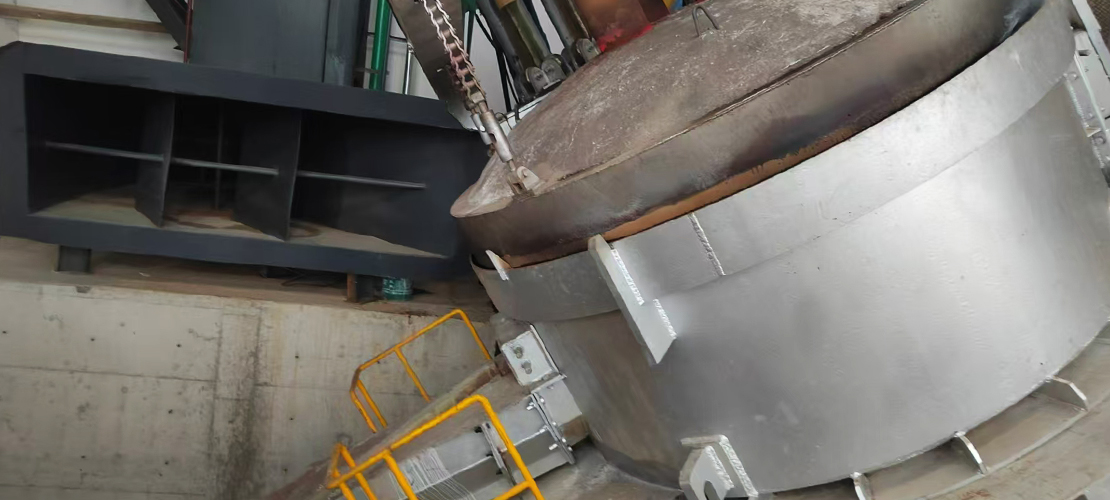
The 6-ton electric arc furnace is a small and medium-sized steelmaking electric arc furnace, which is mainly used for steel smelting and can also be used for the production of some special alloys. Please refer to the following for its smelting range and characteristics.
The Smelting Range of The 6T Steelmaking Electric Arc Furnace
1. Ordinary carbon steel
It can produce low-carbon steel (such as Q195, Q235), medium-carbon steel (such as 45 steel) and high-carbon steel, which are used for building steel bars, mechanical parts, etc.
2. Low-alloy steel
Such as 20CrMnTi (gear steel), 40Cr (steel for shafts), etc., adjust the performance by adding alloying elements (Cr, Mn, Ti, etc.).
3. Stainless steel (some grades)
Such as 304 (0Cr18Ni9), 410 (1Cr13), etc., but the chromium and nickel recovery rate and the reduction process in the electric arc furnaces need to be controlled.
4. Tool steel & wear-resistant steel
Such as T10 tool steel, 65Mn spring steel, etc., require precise control of carbon content and heat treatment process.
5. Cast iron & steel castings
Produce high-purity steel castings (such as ZG200 - 400), or smelt ductile iron with decarburization process.
Smelting Characteristics of 6T Electric Arc Furnace
1. Strong flexibility
Suitable for small batch and multi-variety production, can quickly switch steel grades to adapt to changes in market demand.
2. High thermal efficiency
The arc directly heats the molten steel (temperature can reach above 3000℃), and the melting speed is fast (scrap steel melts in about 4060 minutes).
3. Good process controllability
By adjusting the current and voltage to control the temperature in the furnace, it can accurately decarburize (oxidation period) and reduce slag (reduction period).
4. Wide adaptability of raw materials
100% scrap steel can be used, or pig iron and direct reduced iron (DRI) can be used, but the quality requirements of scrap steel are high (avoid coating and impurities).
5. Energy consumption & cost
The power consumption is about 350 - 450 kWh/ton of steel, and dust removal equipment is required (the flue gas volume is small but the dust contains heavy metals).
6. Furnace lining life limit
Magnesium carbon brick lining is easily corroded at high temperature and requires regular maintenance (repair after about 200 - 500 furnaces).
Limitations
- Capacity limitation: The output of a single 6T electric arc furnace is low and is not suitable for large-scale continuous production (low efficiency when matched with a continuous casting machine).
- Alloy yield: When smelting high-alloy steel, the element oxidation loss is large (such as Cr and Ti need to be added later).
- Environmental protection requirements: The electric arc furnaces needs to be equipped with dust removal and exhaust gas treatment systems (such as bag dust removal + dioxin control).
Application Scenarios of Steelmaking Electric Arc Furnace
- Small & medium-sized foundries: production of cast steel parts, wear-resistant steel balls, etc.
- Special steel processing: laboratory or small batch high value-added steel grades (such as mold steel).
- Scrap steel recycling: regional scrap steel resource processing (such as automobile dismantling scrap steel).
The 6T electric arc furnace has obvious advantages in flexibility and adaptability, but it needs to balance cost and efficiency. It is suitable for production needs with low output requirements but diverse varieties.
Advantages and Uses of Steelmaking Electric Arc Furnaces
What Is The Electric Arc Furnace Used For Smelting
Related Article

Electric arc furnace dust recovery and utilization is a key environmental issue in the metallurgical industry. During steelmaking, dust contains a variety of valuable metals, such as iron, zinc, lead, and cadmium. Recycling can conserve resources and reduce environmental pollution.
Recycling methods include wet, dry, and combined processes.
Recycling methods include wet, dry, and combined processes.
Electric Arc Furnace Dust Recycling

Ladle refining of refining furnace, also known as off-furnace refining, is a process in which molten steel, after primary refining in a converter or electric furnace, is transferred to a ladle for secondary refining. This process involves deoxidation, desulfurization, composition adjustment, and temperature control.
The Role of Ladle in Refining Furnace

The submerged arc furnace cover is a functional covering designed specifically for submerged arc furnaces. Its performance directly impacts the furnace's overall operating efficiency, safety, and service life.
In the prior art, two main types of furnace roofs are commonly used in the ferroalloy field: 1. Non-water-cooled, enclosed flat furnace roof with a hanging brick structure; 2. Semi-enclosed, water-cooled, tower-type roof with a tower structure.
In the prior art, two main types of furnace roofs are commonly used in the ferroalloy field: 1. Non-water-cooled, enclosed flat furnace roof with a hanging brick structure; 2. Semi-enclosed, water-cooled, tower-type roof with a tower structure.
Features and Advantages of Submerged Arc Furnace Cover

The electrode arm of an electric arc furnace is a key component in the furnace. Its primary function is to support the electrode and conduct the current, generating an arc to melt the metal.
The performance of the conductive cross arms directly impacts the production efficiency and energy utilization of the electric arc furnace. Today, let's explore its energy-saving effects.
The performance of the conductive cross arms directly impacts the production efficiency and energy utilization of the electric arc furnace. Today, let's explore its energy-saving effects.
Energy Saving Effect of Electric Arc Furnace Electrode Arm
Free Send Us Email for Solution
Contact Us
Xi'an Sanrui Electric Furnace Co., Ltd

WhatsApp/Wechat: +8615929555868

anna@srfurnace.com

Room 102, Building 7A, Free Trade Xintiandi, Fengdong Avenue, Fengdong New Town, Xi'an City, Shaanxi Province